My Journey from Traditional Techniques to Digital Painting
My name is Marco Ciarciaglino, and my artistic path was shaped in Florence, a city where beauty is not an abstract idea but a daily presence that guides the gaze and refines perception. In this environment—where light models surfaces and history settles into the stones—I learned to recognize the silent structure of forms and their ability to suggest more than they reveal.
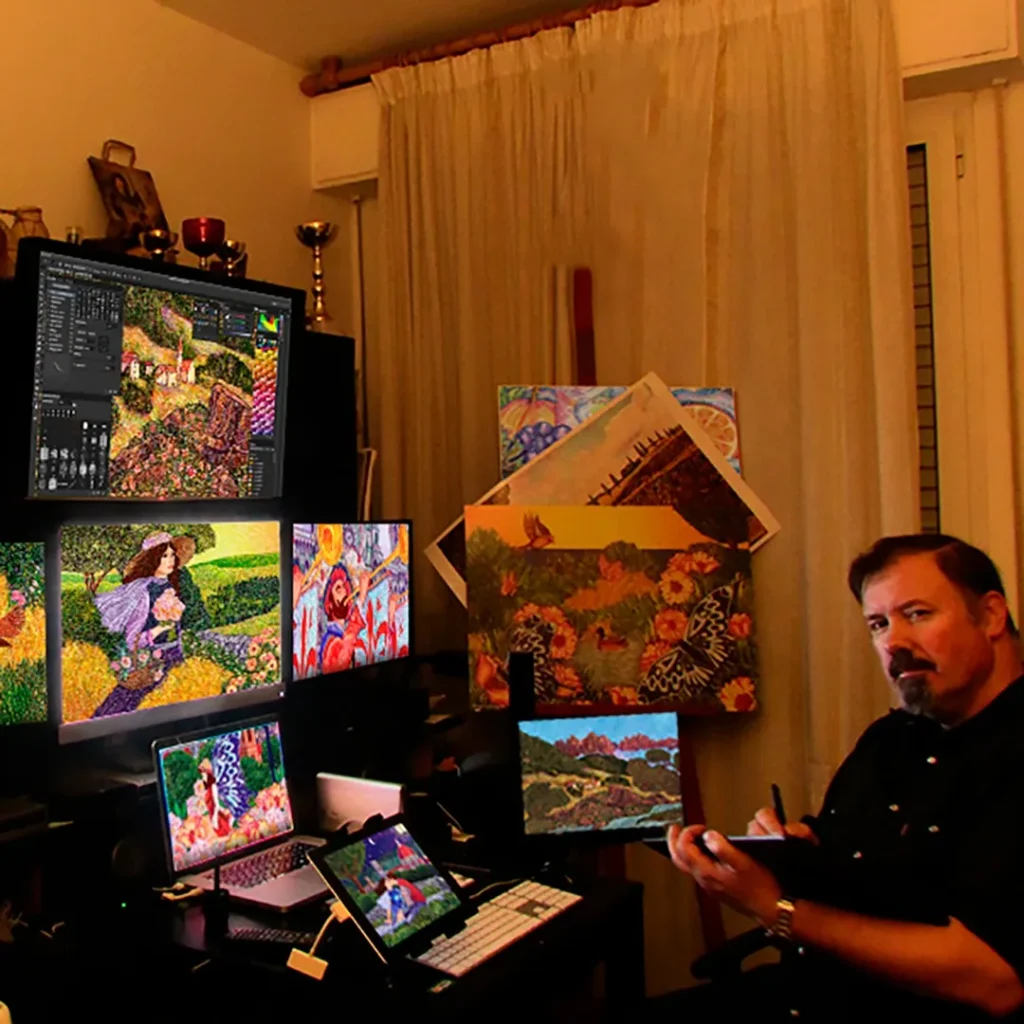
My formal training began at the Art School in Florence and continued at the “Scuola Libera del Nudo” of the Academy of Fine Arts, where studying the human figure taught me to observe it as a balance of tensions, weights, and delicate nuances. At the same time, studying ancient painting techniques brought me into a more intimate relationship with materials: pigments, glazes, surfaces that breathe. These experiences refined my sensitivity to light, the rhythm of color, and the vibration of the mark.
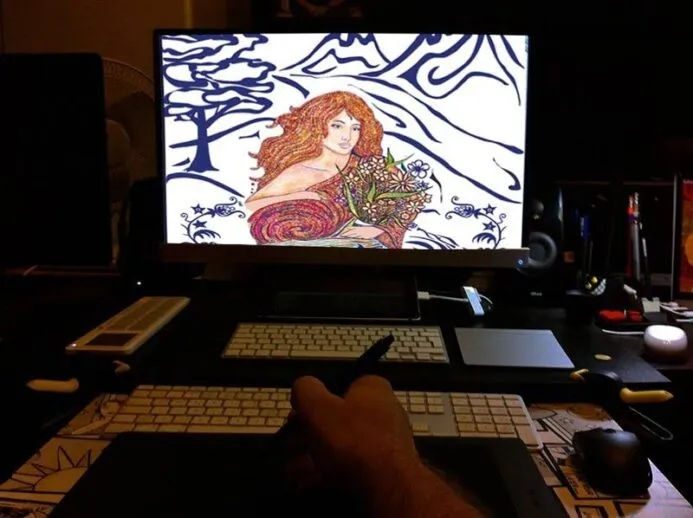
From this same need to explore the image in depth grew my experience in scenography, an area I embraced out of a desire to experiment and to face challenges as creative opportunities. I collaborated with theatre companies in Florence, creating stage designs that taught me to think of the image as space, atmosphere, and expectation. I learned to build environments that were not mere backdrops but places capable of resonating with human presence. Even now, when I paint, I perceive the scene as a silent stage—a place where forms emerge discreetly, as if searching for their precise position in the light.
Over time I explored many traditional techniques—oil, acrylic, watercolor—and devoted years to printmaking: etching, chalcographic printing, and woodcut. Etching, in particular, taught me slowness, precision, and the depth of the gesture. It is a discipline that requires listening and patience, and it has shaped my understanding of rhythm within an image. Today these qualities resurface in my digital work as subtle textures, micro‑variations, and traces of an artisanal memory that continues to evolve.
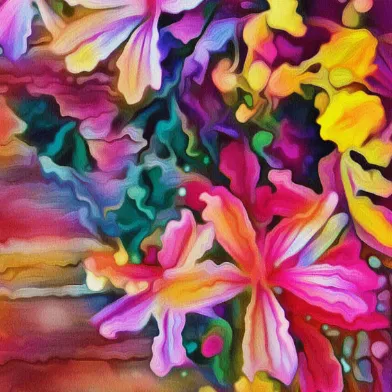
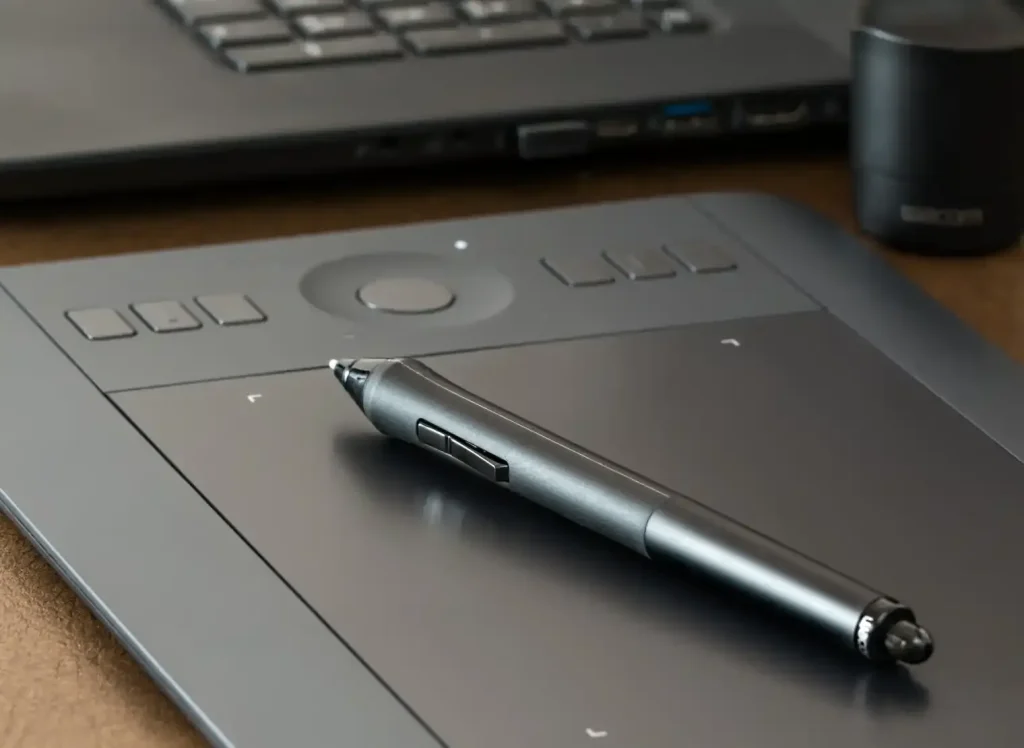
My transition into digital media was not a rupture but a natural expansion. The graphics tablet and pressure‑sensitive stylus became extensions of my gesture, tools capable of preserving the intensity of the manual mark. In Photoshop I build images as architectures of light and color, allowing animals, figures, and landscapes to appear as suspended presences—suggested rather than imposed—born from an imagination renewed with each layer.
Several of my works have been selected and published by ComputerArts, bringing my research to an international audience. Today I continue this journey in my online studio, CiarciArt, a space where tradition and innovation coexist without contrast, allowing digital matter to transform into surface, depth, and rhythm.
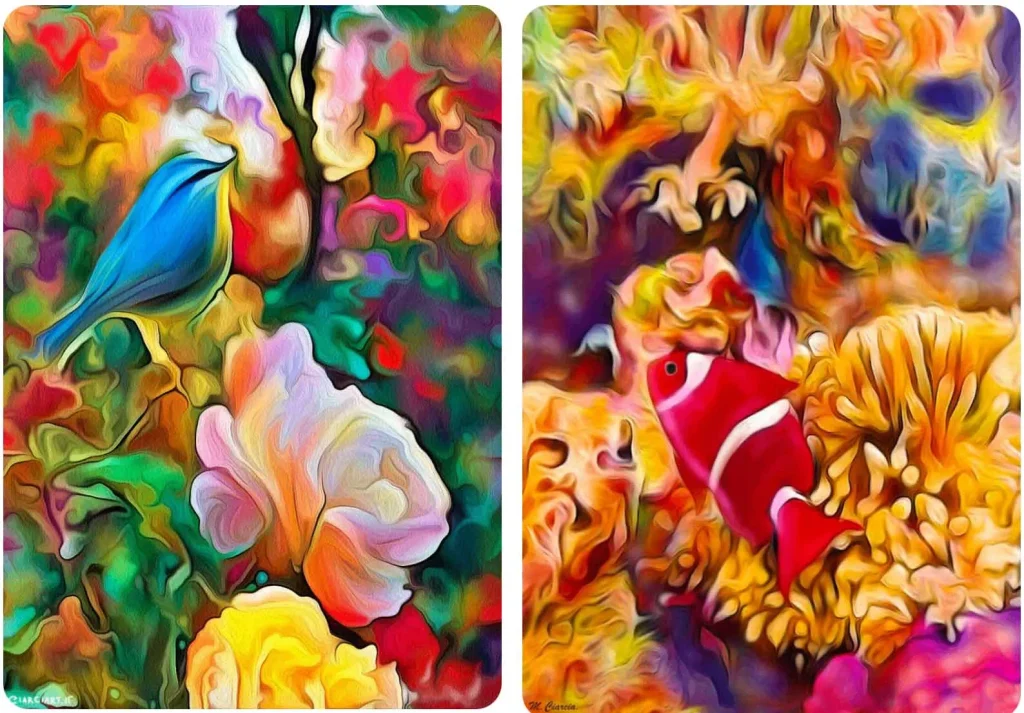
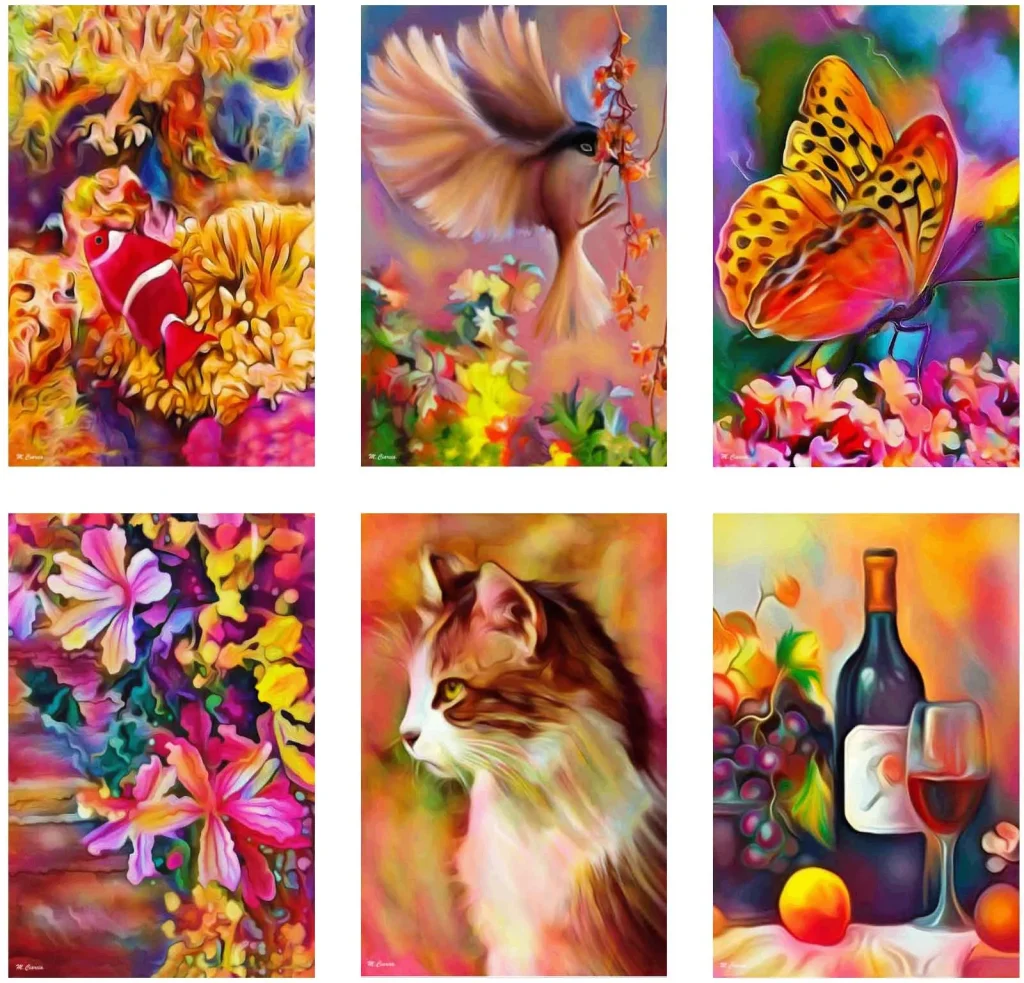
My artworks, signed M.Ciarcia, are available as fine art prints through Saatchi Art, where the quality of materials and the care devoted to the printing process give digital compositions a refined physical presence, capable of dialoguing with the space that welcomes them.
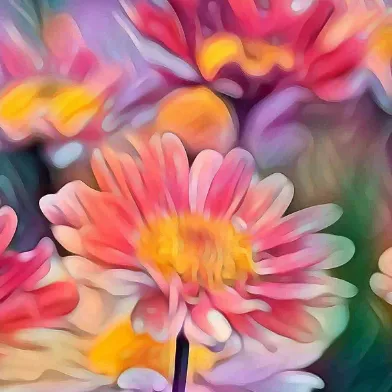
My work is a continuous movement between memory and invention. I strive to preserve the sensitivity of the gesture and transform it into a language that can live fully in the present, open to the luminous and inexhaustible possibilities of digital art.