
Digital Paintings by Marco Ciarciaglino

Fine Art Prints on Canvas, Metal and Acrylic


An Artistic Journey Through Technology, Imagination and Digital Painting


Discover original digital paintings created to bring color, atmosphere and imagination to your walls. Each artwork invites you to pause, look closer, and enter a world shaped by expressive colors, delicate details and a sense of wonder. Explore the collection, discover the stories and inspirations behind the artworks, and find your favorites as Fine Art Prints.

From Thought to Canvas
Translating ideas through the digital gesture.

Welcome to CiarciArt, my online studio. I am Marco Ciarciaglino, and here I share my artistic research and my digital painting, suspended between the tradition of painterly gesture and the infinite possibilities of contemporary technology. Digital painting is, for me, a deep and conscious act of translation. It is the passage of an emotion and an idea from thought to my hand, which, through a digital pen, traces marks and forms on the graphics tablet. In this intimate dialogue, the movement and pressure of the gesture give soul and color to the painting, which comes to life on the computer screen through Photoshop. Only then does the work take on its final form, ready to be printed on high‑quality Fine Art materials.


Florence & Visual Sensitivity
The influence of beauty and light on the creative process.

My artistic vision is deeply rooted in the extraordinary place of my origins, and where I continue to live and create today: Florence. Living surrounded by a horizon where art and beauty are a constant presence quietly educated my eye from an early age, teaching me to seek harmony in forms, balance in composition, and the subtle breath of light. This daily exposure to timeless mastery has profoundly shaped my aesthetic sensibility, instilling in me a deep respect for visual harmony, proportion, and the emotional resonance that every single piece of artwork should carry within itself.

My journey began in the classrooms of the city’s Fine Arts High School, where I learned to dialogue with classical painting and old master techniques, mastering the discipline of the line and the touch of the medium. Over the years, this search deepened through oil painting, life drawing studies at the Free School of the Nude at the Academy of Fine Arts in Florence, and the expressive force of woodcut engraving. Alongside these disciplines came clay modeling, which taught me the three-dimensionality of forms, and set design, which expanded my awareness of spatial perception and visual drama.

It is from this rich foundation of hands-on experience and academic discipline that my connection with digital art naturally came to life. Far from being a break with tradition, I immediately recognized it as its seamless evolution—a contemporary language capable of expanding creative boundaries without sacrificing classical rigor. Through this medium, the same passion continues to flow uninterrupted, carrying the tactile emotion of the physical hand, the memory of classic materials, and the timeless search for harmony directly into the light of the screen.

In my studio, the digital environment is not a tool for seeking automation or shortcuts, but an open canvas of infinite expressive possibilities. Every brushstroke on my screen stems from the very same intention and physical gesture I would dedicate to an oil painting or a paper drawing. The graphics tablet and digital stylus are the contemporary instruments through which I translate inspiration into marks, modulating pressure, tilt, and touch. In this space of pure focus, technology becomes invisible, allowing only the artist’s sensitivity to surface and preserving that unique, irreplaceable human touch that brings every piece to life.

Yet, the artistic exploration is not truly complete until the artwork finds its physical dimension and tactile presence. For this reason, I dedicate rigorous attention to selecting the medium for my prints. Through Fine Art printing processes and carefully chosen materials such as canvas, metal, and acrylic, the light of the screen turns into solid, vibrant color crafted to endure over time. It is in this final moment that the circle closes: the digital vision becomes matter once again, ready to inhabit the spaces of art lovers seeking an authentic emotion.

Where the Vision Takes Shape
In my work, the moment of creation is never sudden. It begins quietly, with a pause that lets the idea take shape. Every image grows from a steady rhythm, from the time I spend before making the first mark. Before color appears, there is a simple form or feeling that asks to be developed. Technology doesn’t rush this process; it supports it. It gives me room to explore, to refine, to push the light a little further until the image finds its balance. As the work evolves, small choices — a shift in tone, a softer edge, a brighter highlight — guide the image toward its final state. In this calm space, between what I imagine and what emerges on the screen, each piece slowly finds its form and its voice.

The Creative Method
In my artistic process, the transition from idea to visual form relies on a constant alternation of mediums: the action may move onto paper with a quick sketch or a watercolor wash, or ignite directly within the software. In any case, it is in the digital realm that the graphics tablet and stylus become natural extensions of my hand, instantly transferring the gesture onto the Photoshop canvas. I layer color one mark at a time, transforming the human touch into vibrant brushstrokes and deep glazes, with the same dedication given to a traditional painting.

The Philosophy of Color
In my research, color is never purely decorative; it is the primary vehicle for the vital energy I wish to convey. Every shade is chosen for its ability to resonate with the mood that generated the work, creating a visual narrative that speaks directly to the observer’s subconscious. I constantly experiment with saturation and contrasts, seeking that precarious balance between the expressive force of pigment and the delicacy of light, so that each work can vibrate with its own autonomous life, capable of changing according to the viewer’s gaze.
Follow the Artistic Journey ➔

Technology and Humanism
Integrating technology into my path does not mean abandoning tradition, but rather expanding the boundaries of artistic humanism into the new millennium. I view software as an infinite Renaissance workshop, where technical possibilities merge with manual sensitivity to bring previously unexplored worlds to life. This fusion of craftsmanship and innovation allows for the exploration of new textures and visual depths while keeping intact that human warmth that only the artist’s hand can infuse, making technology a transparent medium at the service of a timeless aesthetic.

In fondo al mare
Dialogue with the Spectator
Each artwork grows from a quiet dialogue between intuition and construction, between what emerges spontaneously and what is refined with patience. It is a process that requires attentiveness, listening and a willingness to let the image find its own form without forcing it. In this space of balance between control and openness, between gesture and light, the work takes shape and defines itself as a visual presence. The pieces I present on CiarciArt are the result of this path: images that invite a slower gaze, a direct relationship with digital matter and its ability to become a tangible surface capable of conveying depth, rhythm and silence.

Acquacheta
Excellence and Matter
This vision finds its completion in museum-quality Fine Art prints, produced with Saatchi Art. Using premium materials ensures that every detail of the original digital composition is preserved over time. The choice of medium is fundamental: the grain of the paper, the depth of the blacks, and the brilliance of the colors transform the digital file into a physical body—a tangible presence that dialogues with the surrounding space and restores all the depth of the original painterly work on canvas, metal, or acrylic.
Collecting Fine Art Prints ➔

Dalla vigna con amore
Art as a Universal Good
I firmly believe that art should be shared property—a universal good for everyone to enjoy. Thus, the elegance of the Fine Art print becomes the ideal bridge to make collecting accessible, bringing the quality of an original piece and the sincerity of my artistic journey into every everyday space. Living with beauty should not be a privilege for the few, but a possibility for anyone who wishes to enrich their life with an authentic vision, transforming their home into a personal and living gallery.

Brindisi
Fine Art Print Materials and Supports
My artworks are presented on a comprehensive range of professional printing supports designed to enhance depth, texture and tonal precision while ensuring a coherent and refined visual presentation. Each print is produced through Saatchi Art’s dedicated service, which employs museum‑grade materials, archival pigments, calibrated colour workflows and advanced high‑precision printing processes to achieve clarity, stability and a faithful translation of the original digital composition.
View the Gallery on Saatchi Art ➔

Estate
Acrylic Prints
When visual expression seeks a sleek modernity and crystal-clear depth, the acrylic print offers a contemporary surface that enhances every clean line. Printing directly onto the back of a 1/4‑inch thick transparent sheet gives each image an essential and striking visual presence, amplifying rich colors with stunning brilliance.

An acrylic print opens up versatile wall-mounting solutions, offering two meticulously crafted installation modes. The first option features four aluminum mounting posts at the corners, holding the sheet slightly distanced from the wall for a floating effect; the second option utilizes a sturdy backing board with a wooden frame and hanging wire, for a quick and traditional setup.

Whether choosing the clean geometry of metal stand-offs or the understated classicism of a hanging wire, each print arrives complete with all necessary hardware, ready to integrate elegantly into its surrounding space.

Sogni
The surface of the future: digital painting meets metal

When digital visual expression seeks a contemporary and avant-garde medium, the fine art metal print offers an extraordinary surface that elevates every virtual brushstroke. The stability and purity of the aluminum sheet give the painting a rigorous physical presence, preserving the most intricate details and subtle tonal transitions generated by the screen’s light.

A print on metal adapts effortlessly to square, rectangular, or panoramic geometries, extending across a vast range of dimensions to suit any spatial need. The surface is brought to life using high-precision archival inks, formulated to endure the passing of time and ensure the artwork retains its depth and original brilliance for over seven decades.

Free from the need for a traditional frame to define its boundaries, the painting appears to float slightly off the wall thanks to a hidden internal structure, creating a subtle geometric shadow that dialogues with its surroundings. Each piece arrives ready to seamlessly integrate into your space, transforming the fluidity of digital art into an eternal, three-dimensional masterpiece.

Portafortuna
Fine Art Paper Prints

When visual expression seeks a classic and versatile medium, the fine art paper print offers a timeless surface that captures every nuance. The weight and quality of the paper give each image a distinct physical presence, preserving the intricate details and subtle tonal transitions of the original work. A print on paper opens up a world of creative framing possibilities, adapting effortlessly to square, rectangular, or panoramic formats across a vast range of dimensions.
The surface is brought to life using archival inks designed to endure over time, ensuring the paper print retains its depth and brilliance across decades. Whether left unframed to be appreciated in its essential purity, or customized with a selection of frames and mat boards to complement its surroundings, each print arrives ready to become an integral part of your space.

Colore in natura
Canvas Prints

When visual expression meets matter, canvas provides the ideal medium to preserve its essence and amplify its expressive power. The textural consistency and depth typical of this surface give images a new dimension, transforming them into living presences within a space.Every detail takes shape across the weave of the canvas through color fidelity that renders intense tones and subtle nuances crafted to endure over time.
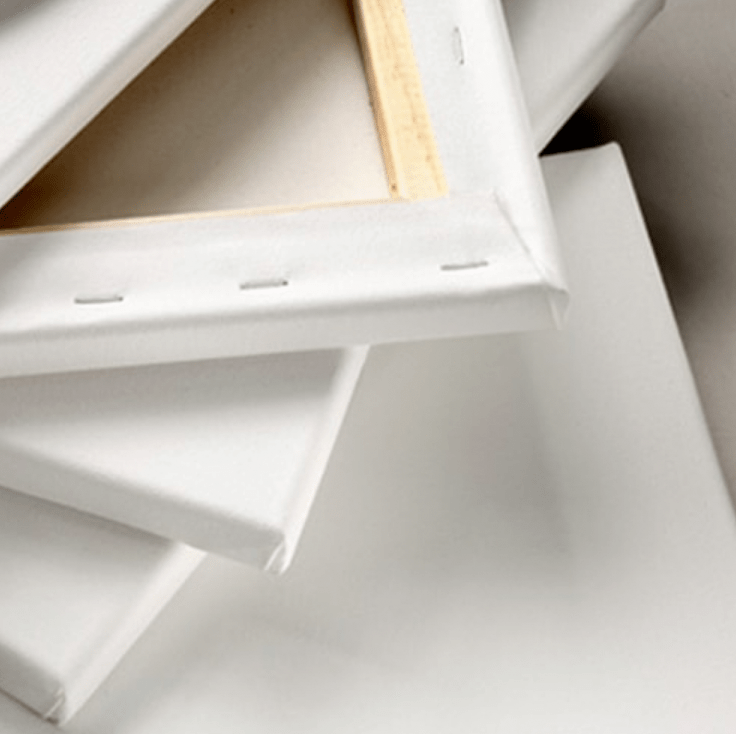
Artisan craftsmanship involves mounting the canvas onto a sturdy wooden frame, available in a thicker 3.8 cm profile or a slimmer 1.6 cm profile. Attention to visual balance also extends to the edges, which can maintain image continuity through a mirrored effect, or feature a clean solid black or white finish.The finished piece, encompassed by the texture of its canvas, is delivered complete with all necessary wall-mounting hardware, ready to be framed or appreciated in its unfrilled simplicity.

Iris